
Braun Ironing
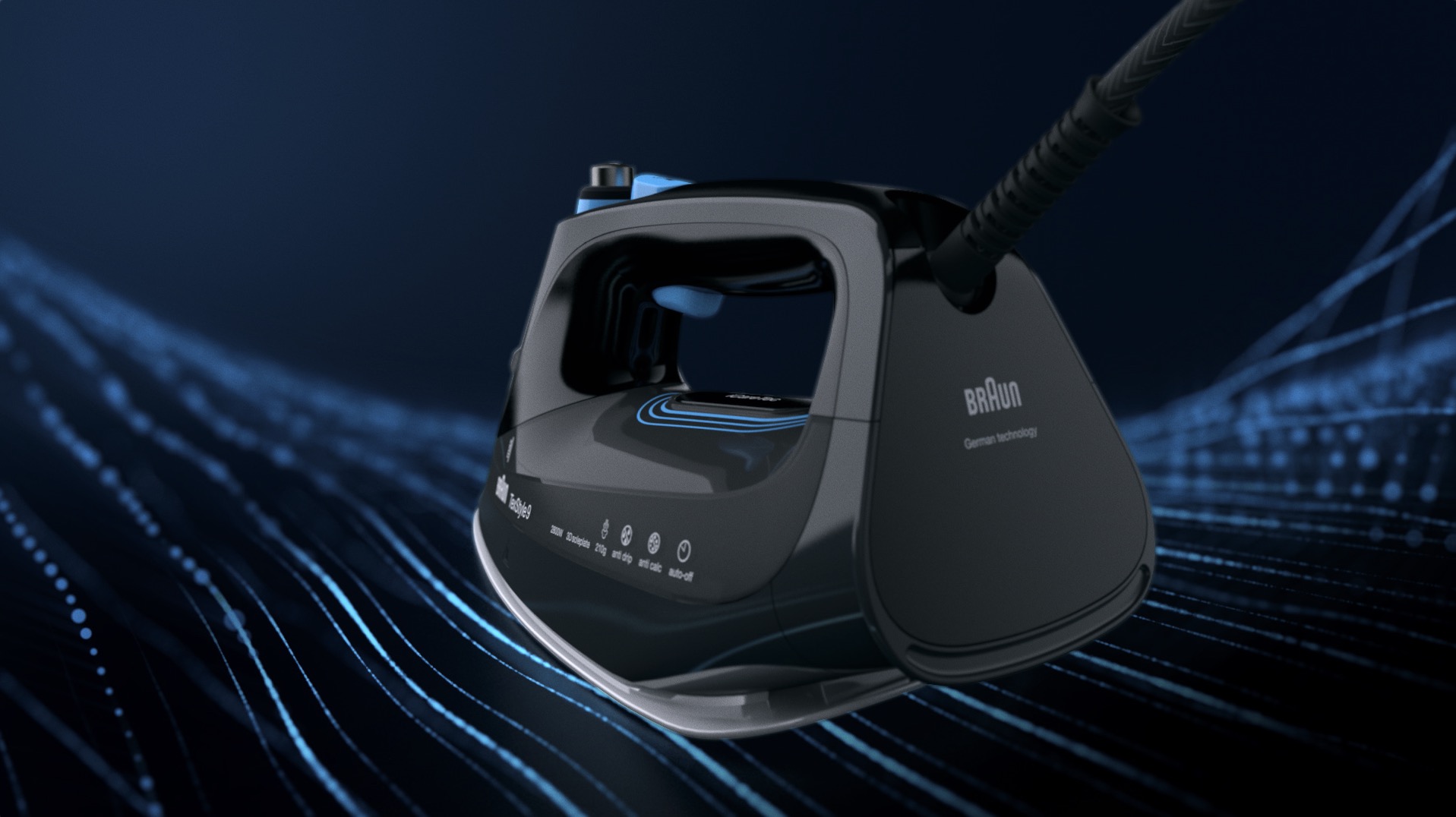
An iron's soleplate is where the whole product argument lives — glide, heat distribution, anti-calc protection — and none of it is visible on a shelf. The job was to make that invisible engineering legible, in a set of images with no real product ever in front of a camera.
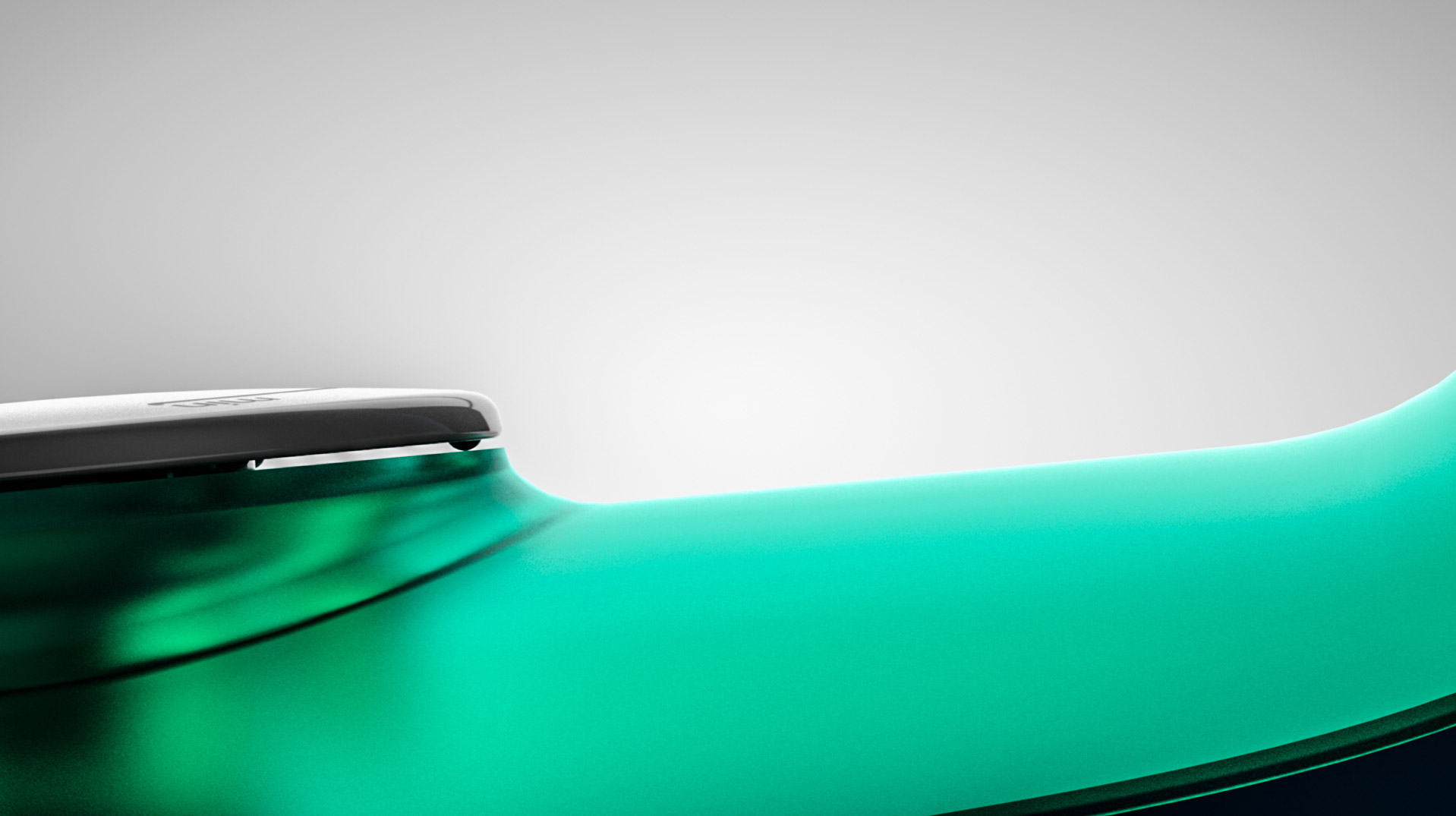
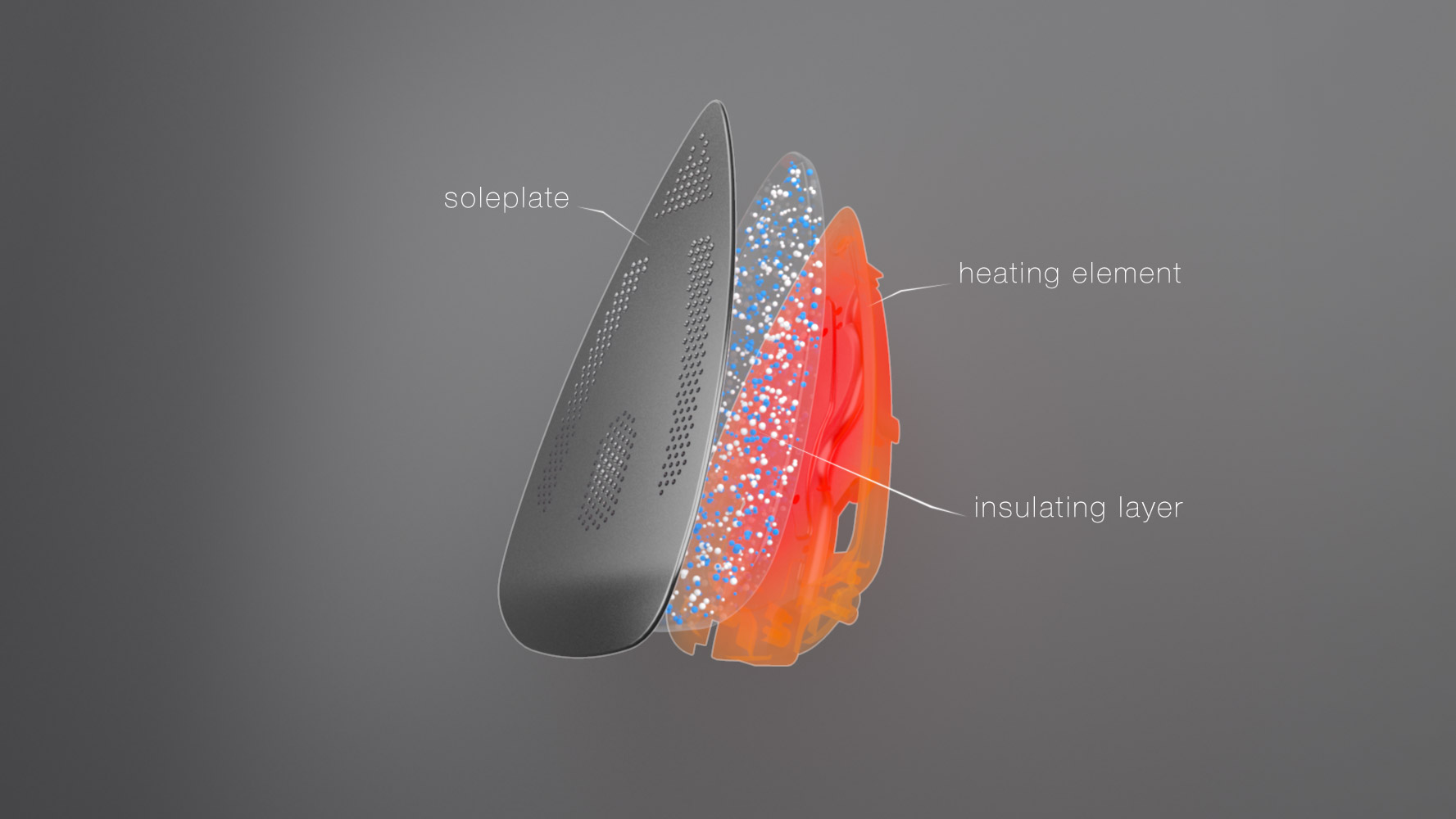
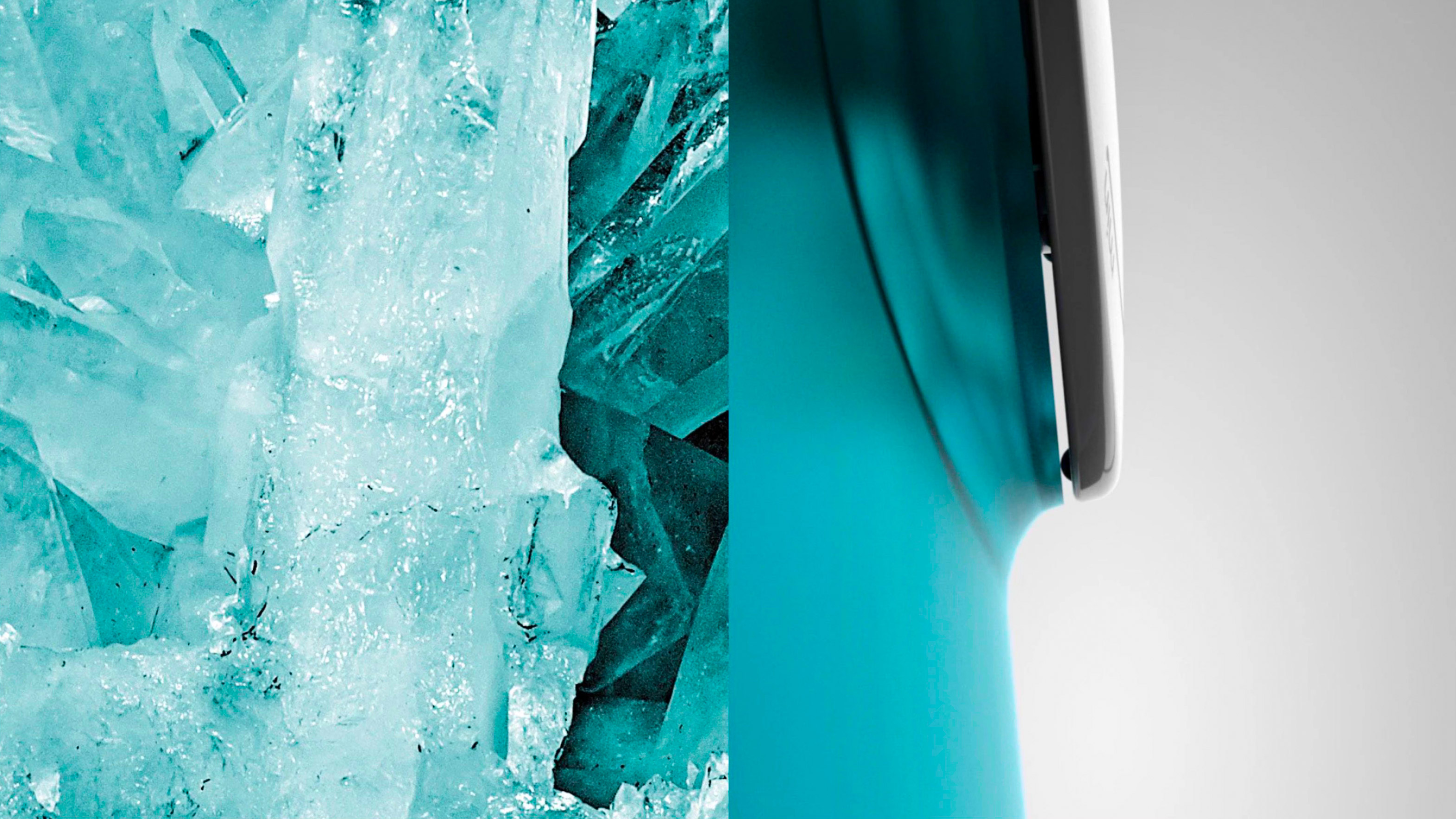
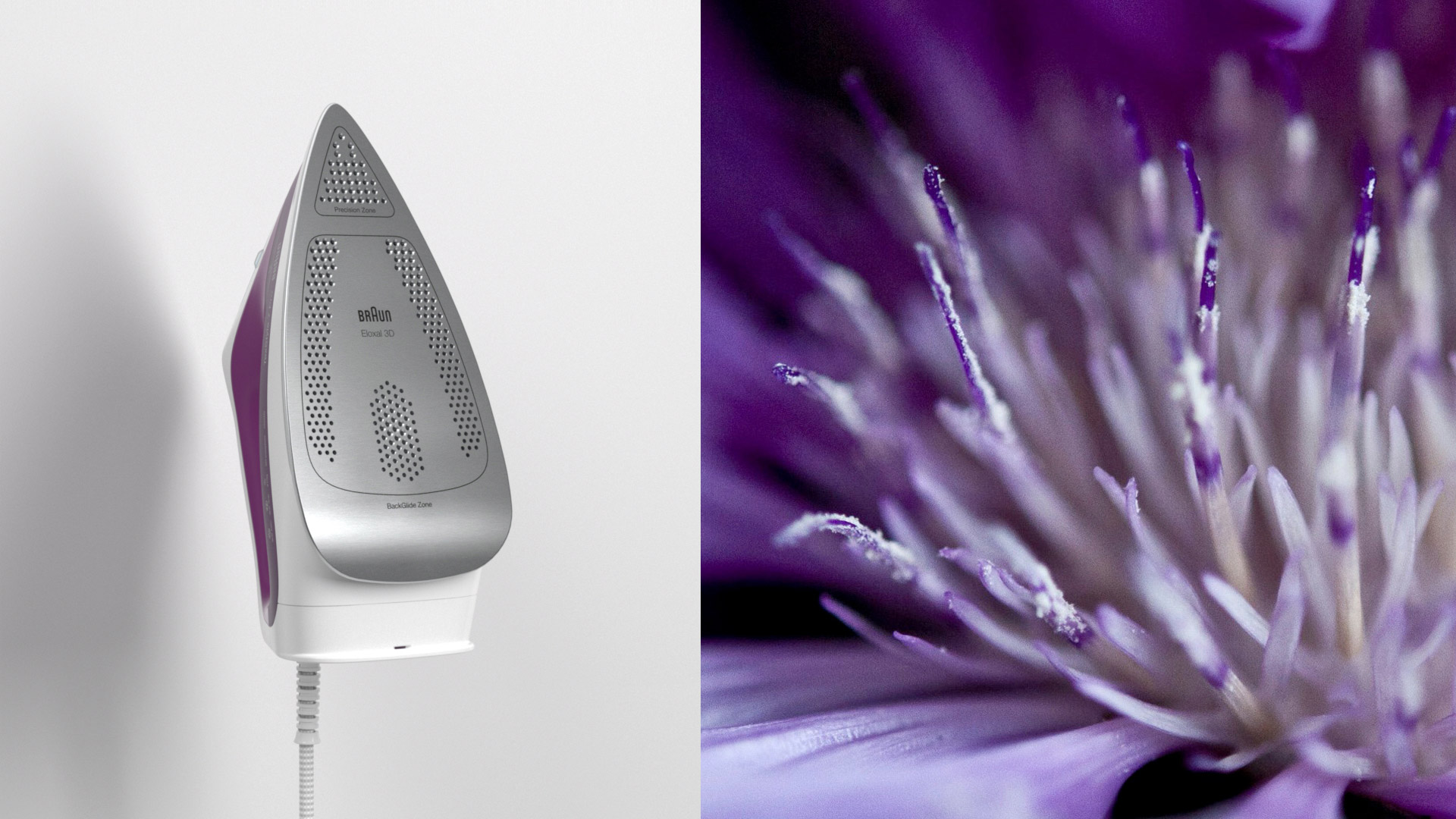
Take the iron apart in CGI rather than shoot it: an exploded cutaway to show the soleplate's actual layer construction, a macro pass across the finish, and the individual technologies — precision zones, anti-calc, steam — each staged as its own small scene instead of folded into one busy hero shot.
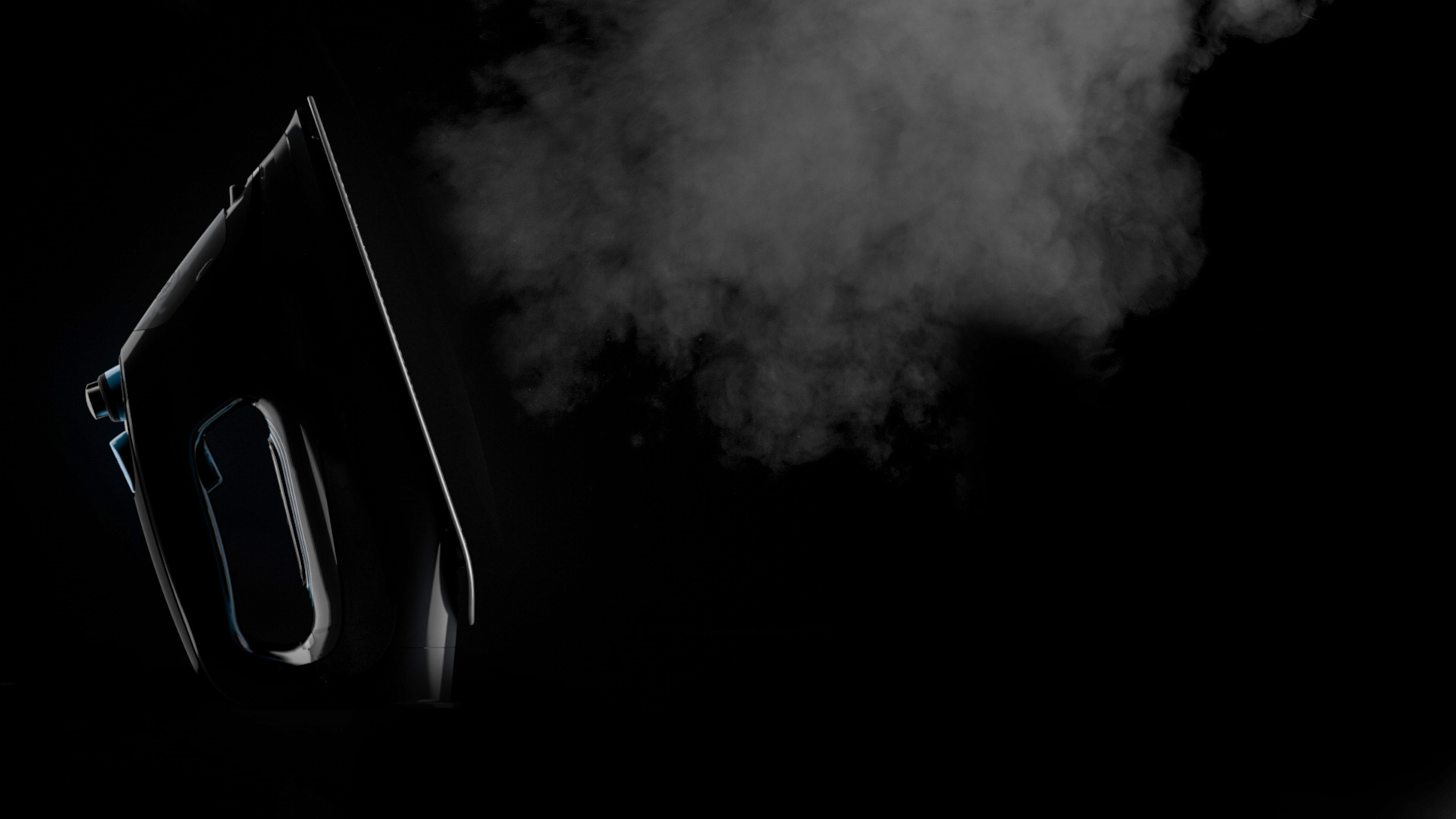
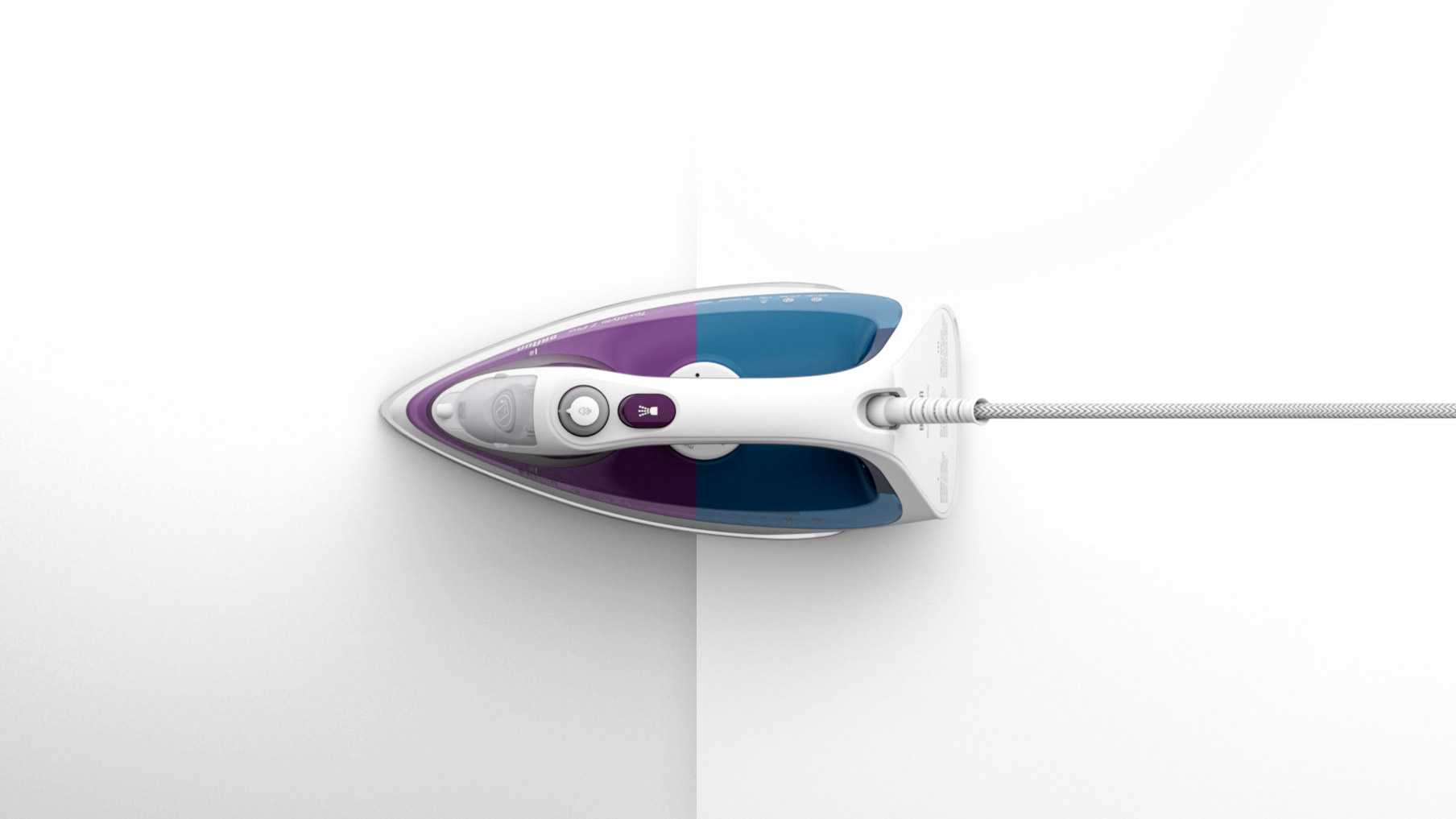
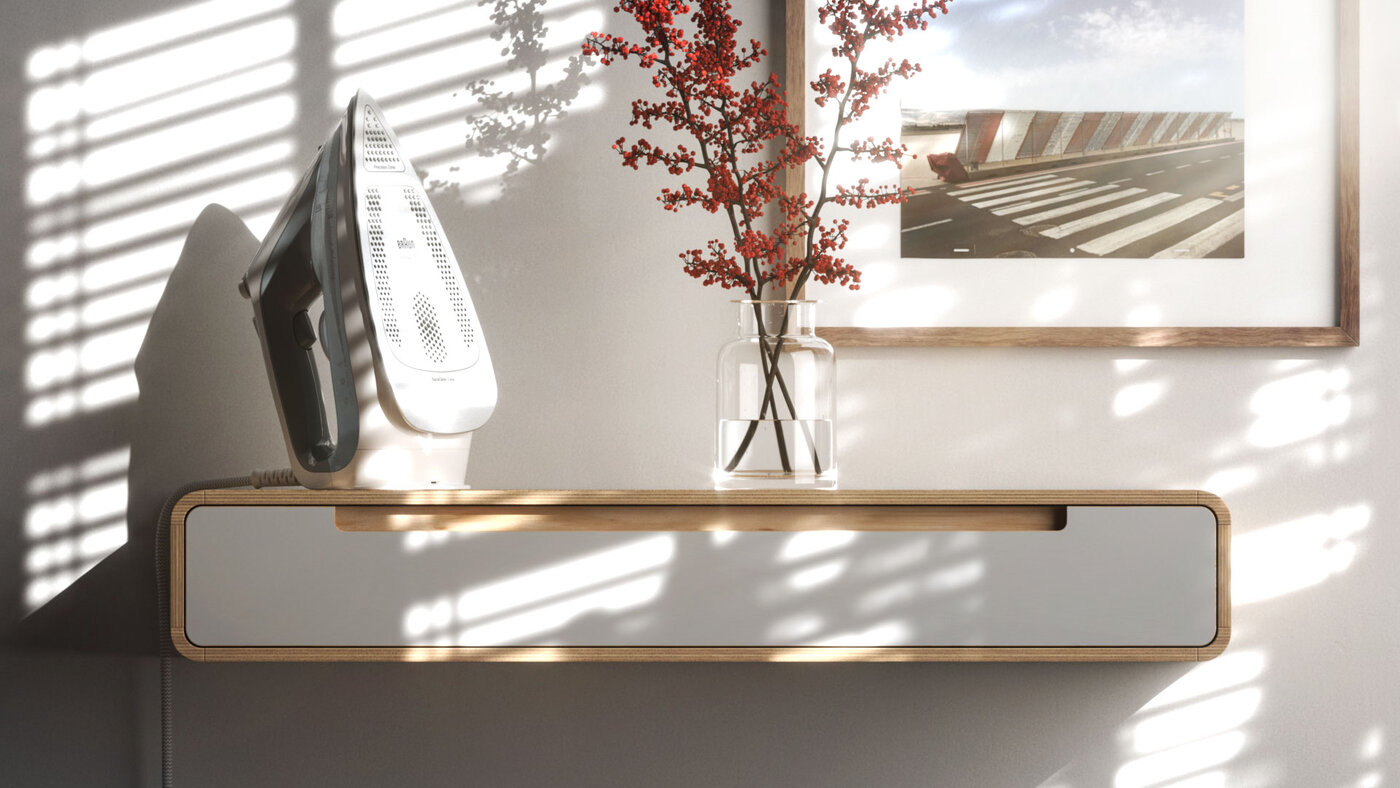
Full 3D build of the shell and soleplate assembly, lit and rendered as if for a real studio shoot — steam, reflections and material finish tuned per shot rather than reused across the set, so the exploded diagram, the macro detail and the dramatic hero all read as one consistent product rather than three different treatments.
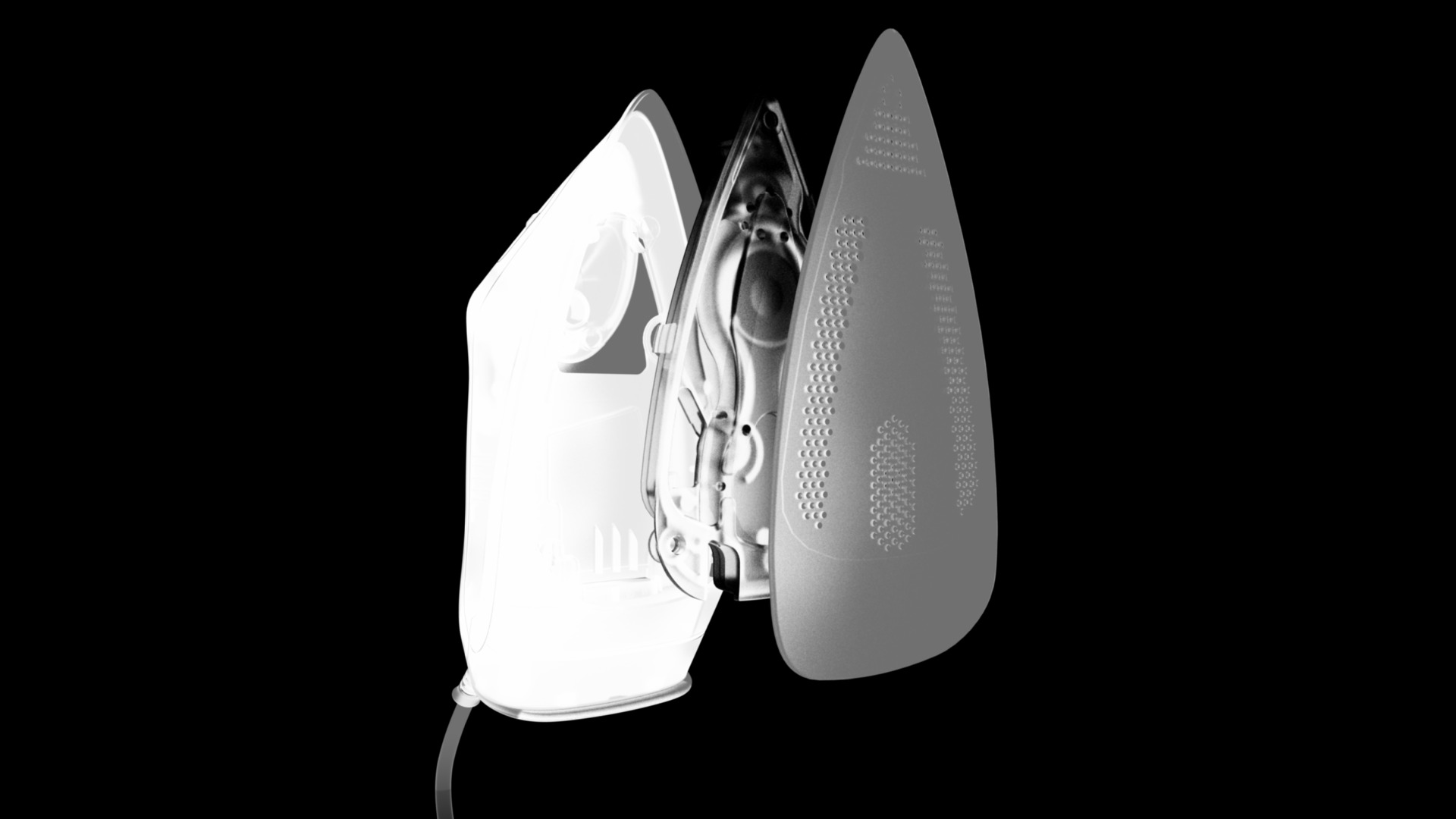
The individual technology beats — a steam burst, a macro reflection pass, a colourway variant — are exactly the kind of iterative CGI output generative tools now produce fast. What still needs an actual 3D build behind it is the exploded cutaway: a correctly-proportioned soleplate assembly a viewer could believe really opens that way, not a plausible-looking approximation.
Look development split by shot rather than treated as one lighting rig — a near-black dramatic pass for the hero, a clean white studio pass for the product shot, a warm gradient for the materials fan-out — held together by consistent soleplate geometry and the product's own on-part labelling carried through from the technical build.
What the approach changed.
Construction made visible
Soleplate layer build shown as an exploded cutaway rather than described in copy.
One build, multiple treatments
Hero, macro, technology callouts and colour variants all rendered from the same underlying 3D model.
No studio day required
Full image set produced without a physical prototype in front of a camera.