
Flieger
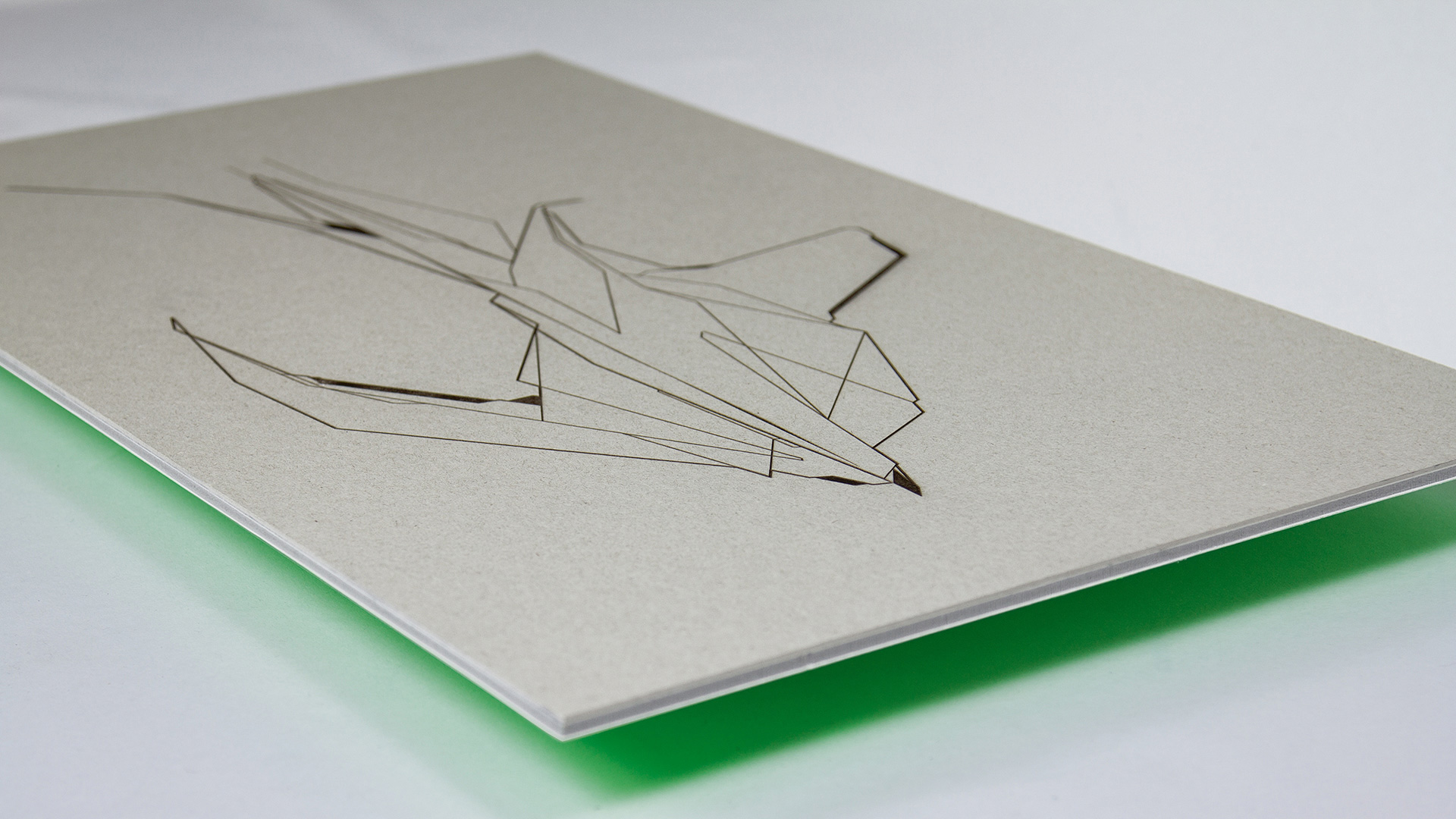
No client, no brief — the test was whether the instincts behind years of graffiti (reading a city, finding the shape hiding in a wall, working fast and getting it exactly right the first time) could hold up as a piece of design in its own right, not just as street work.
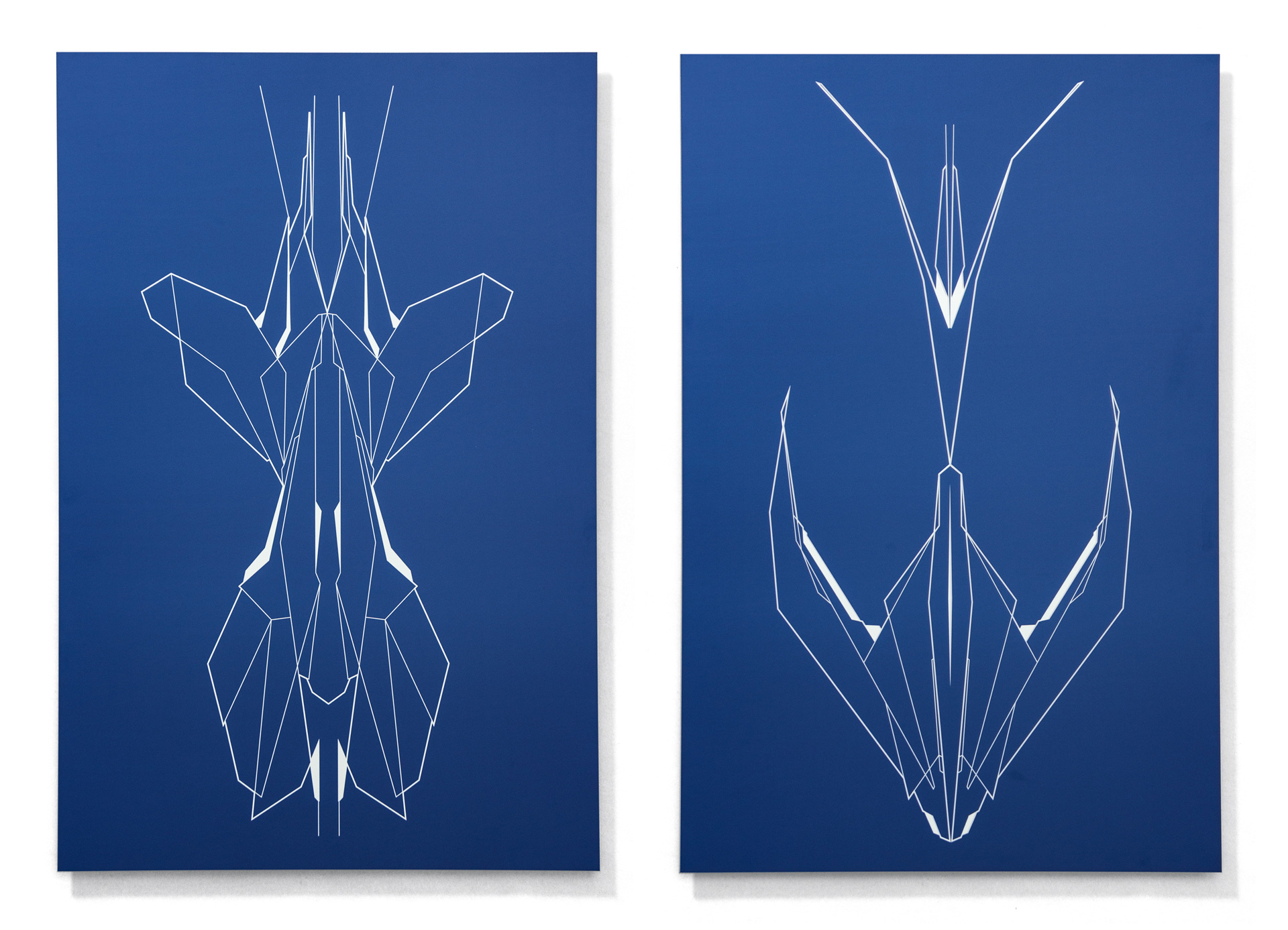
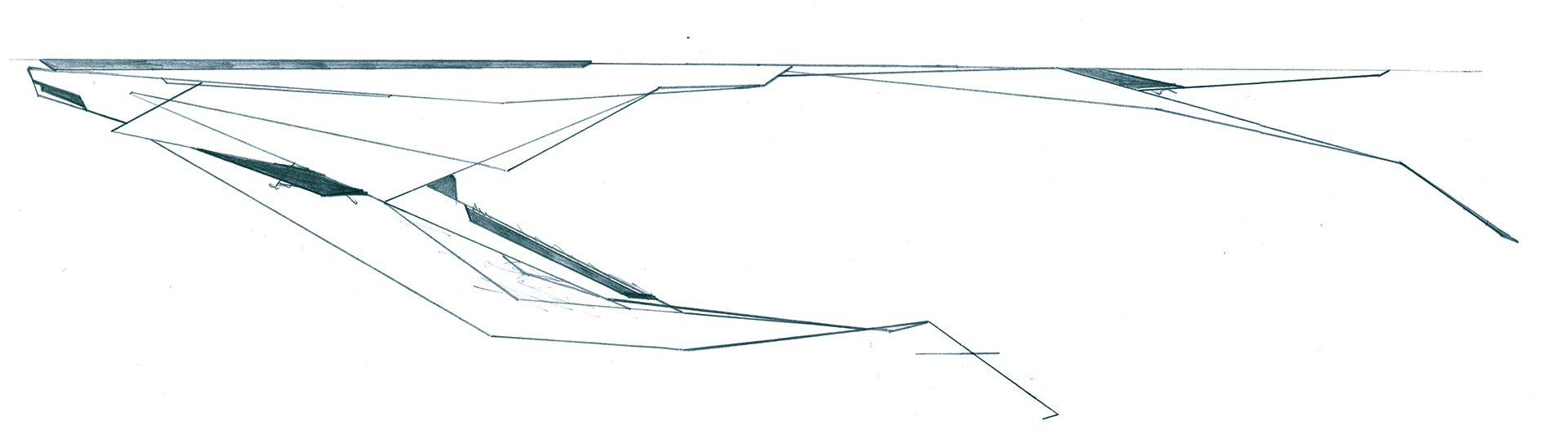
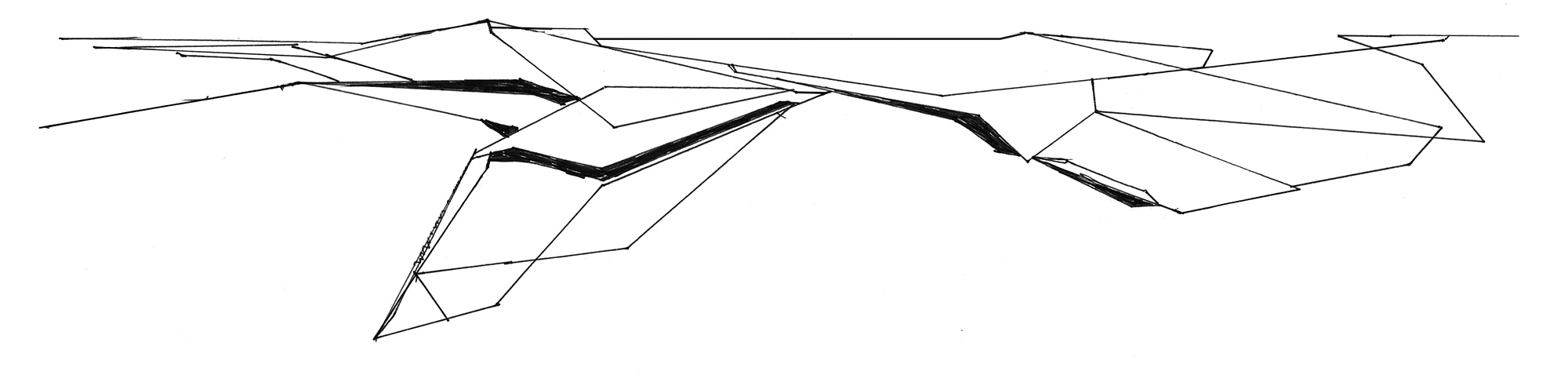
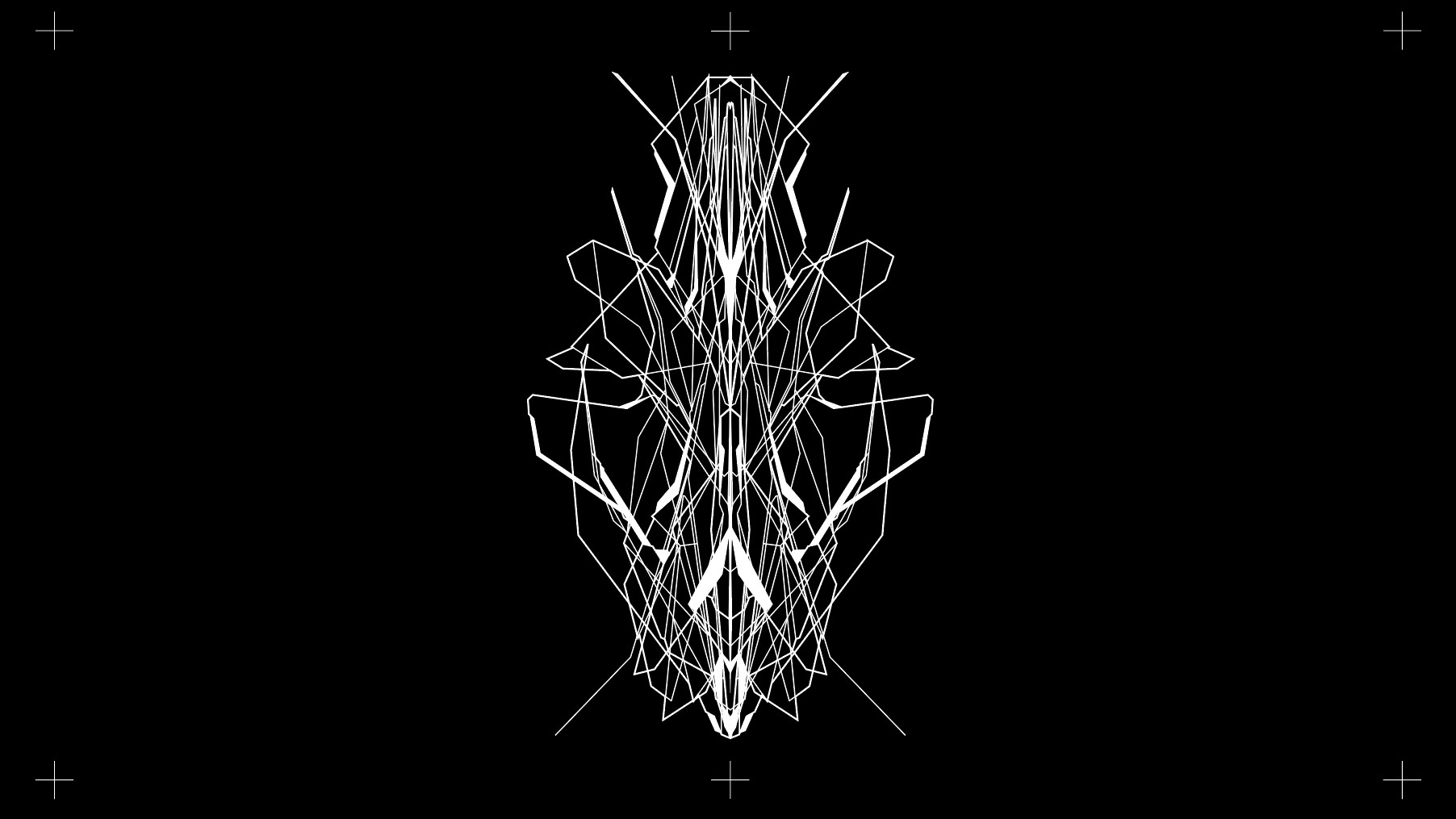
Reduce a hand-drawn silhouette — a flier, a jet, a paper plane, read however you like — to a single mirrored line. No colour, no shading, no illustration: just the construction, refined sketch by sketch until the geometry earned its own authority.
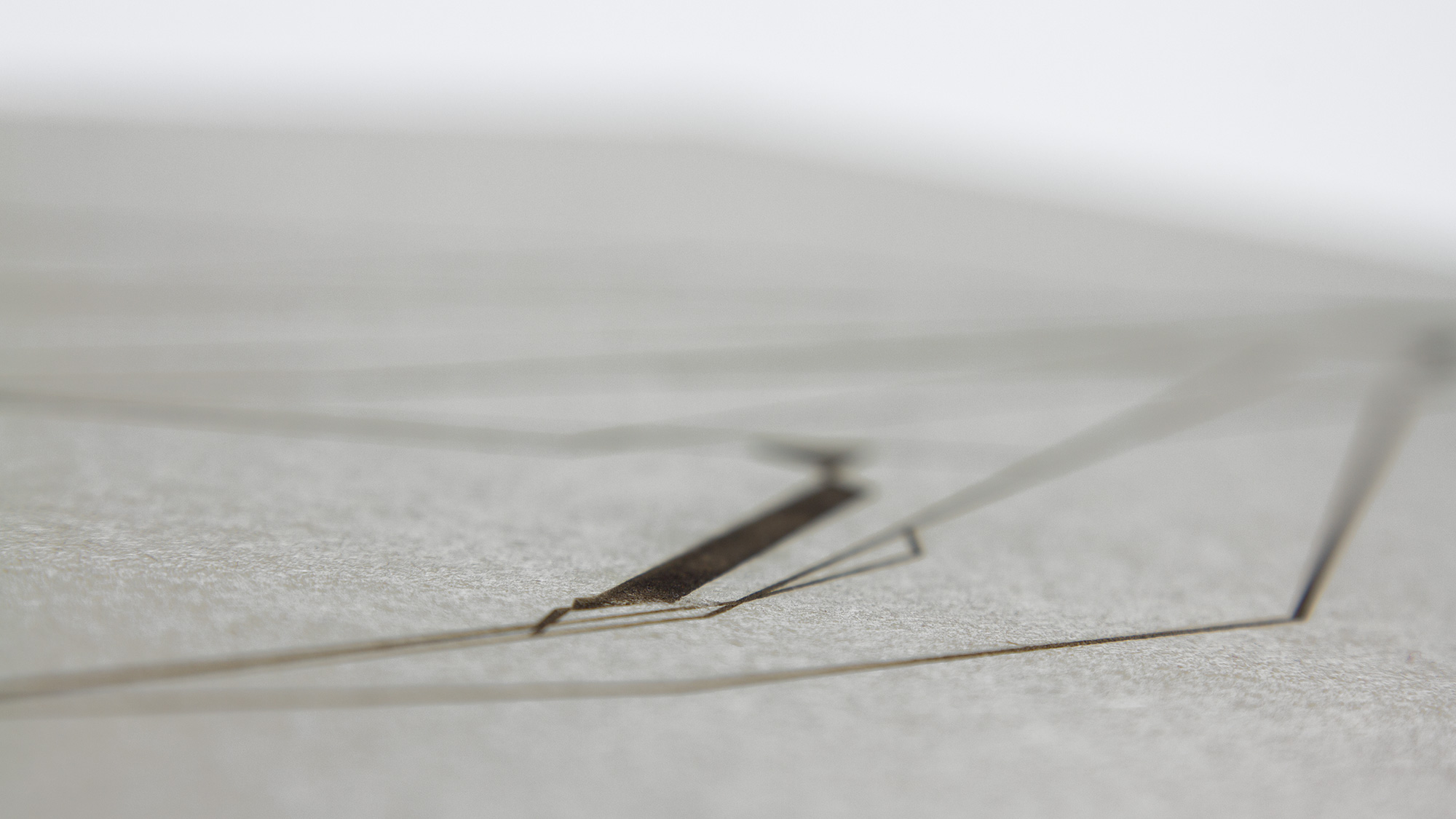
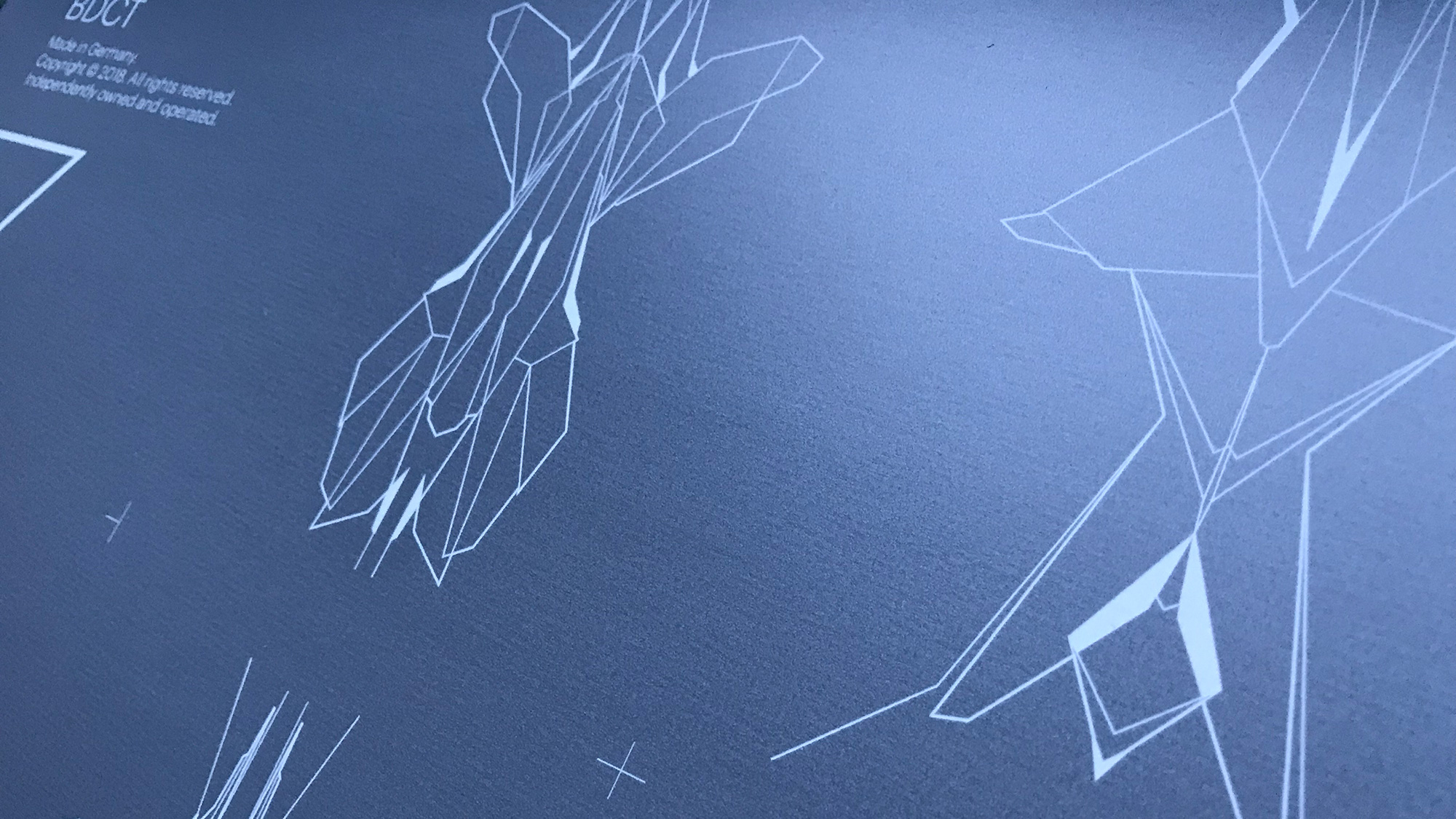
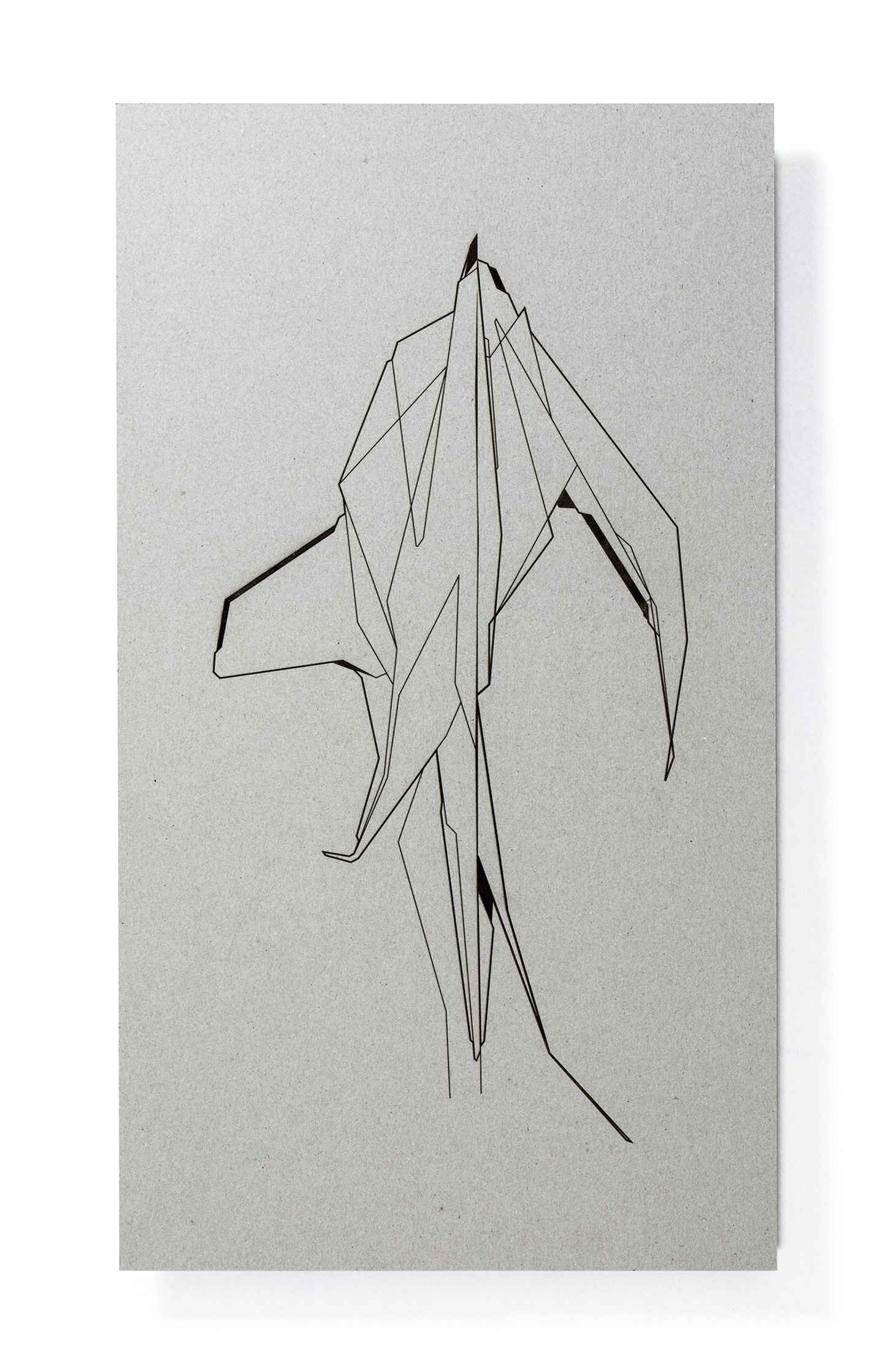
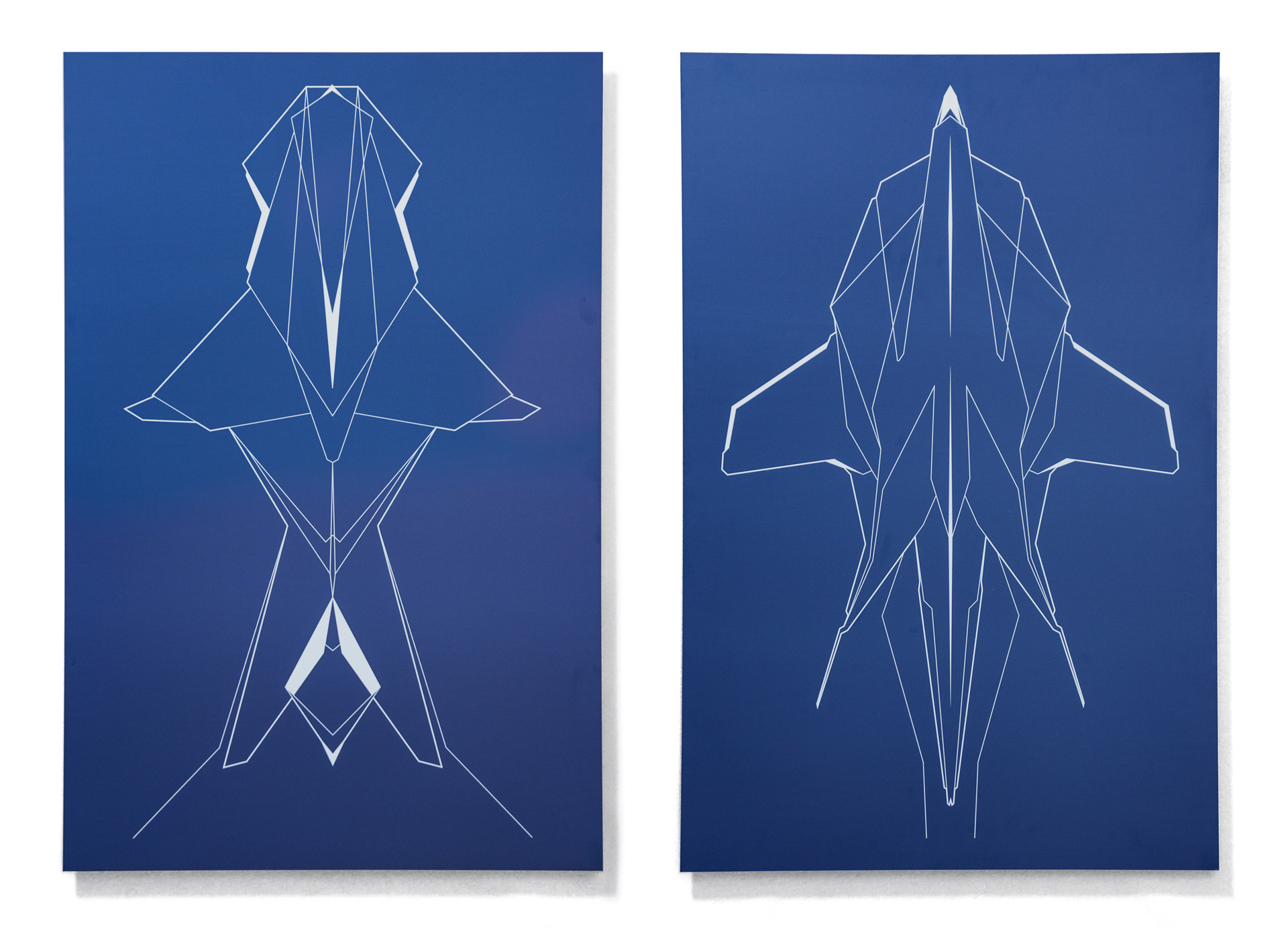
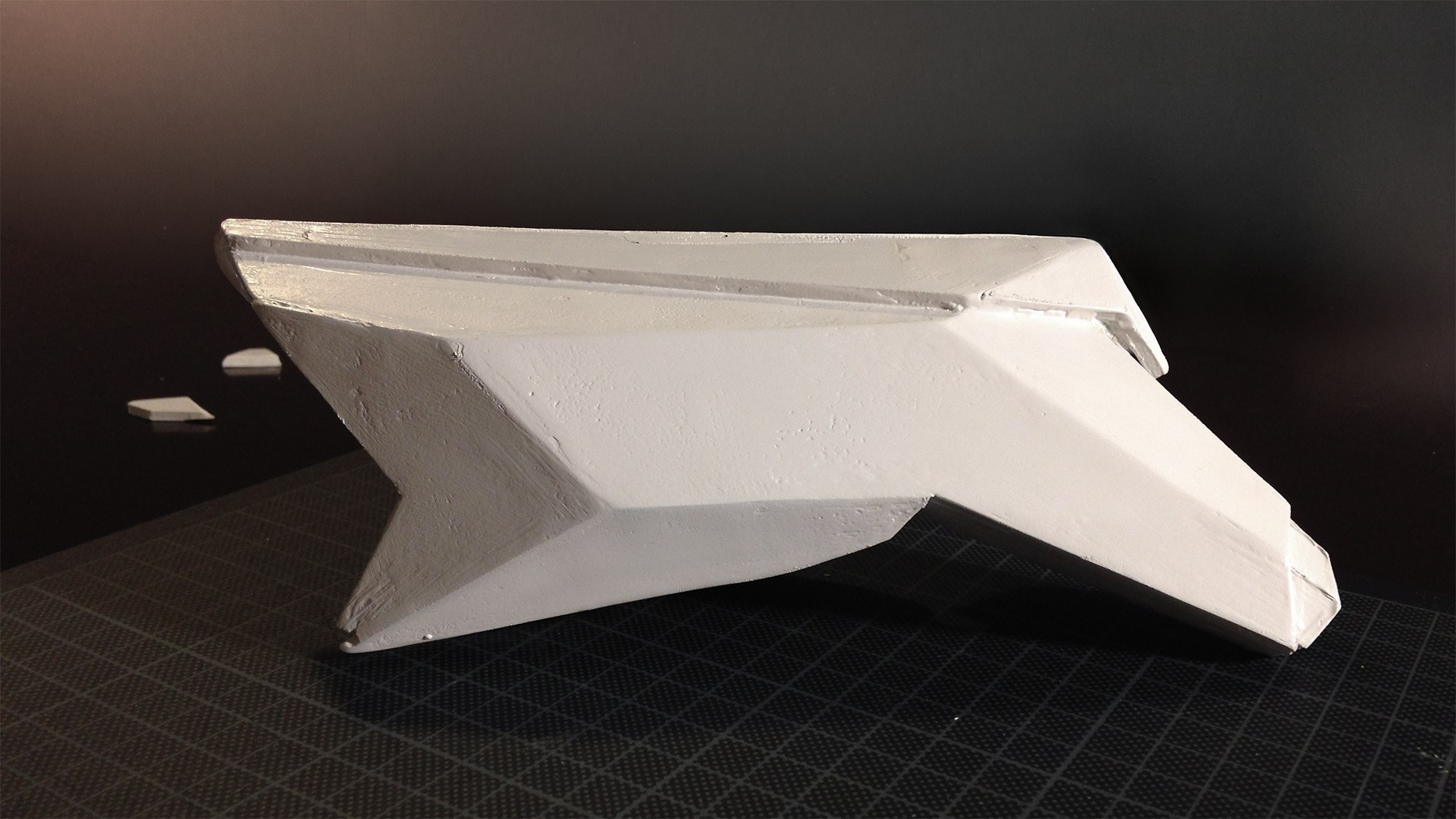
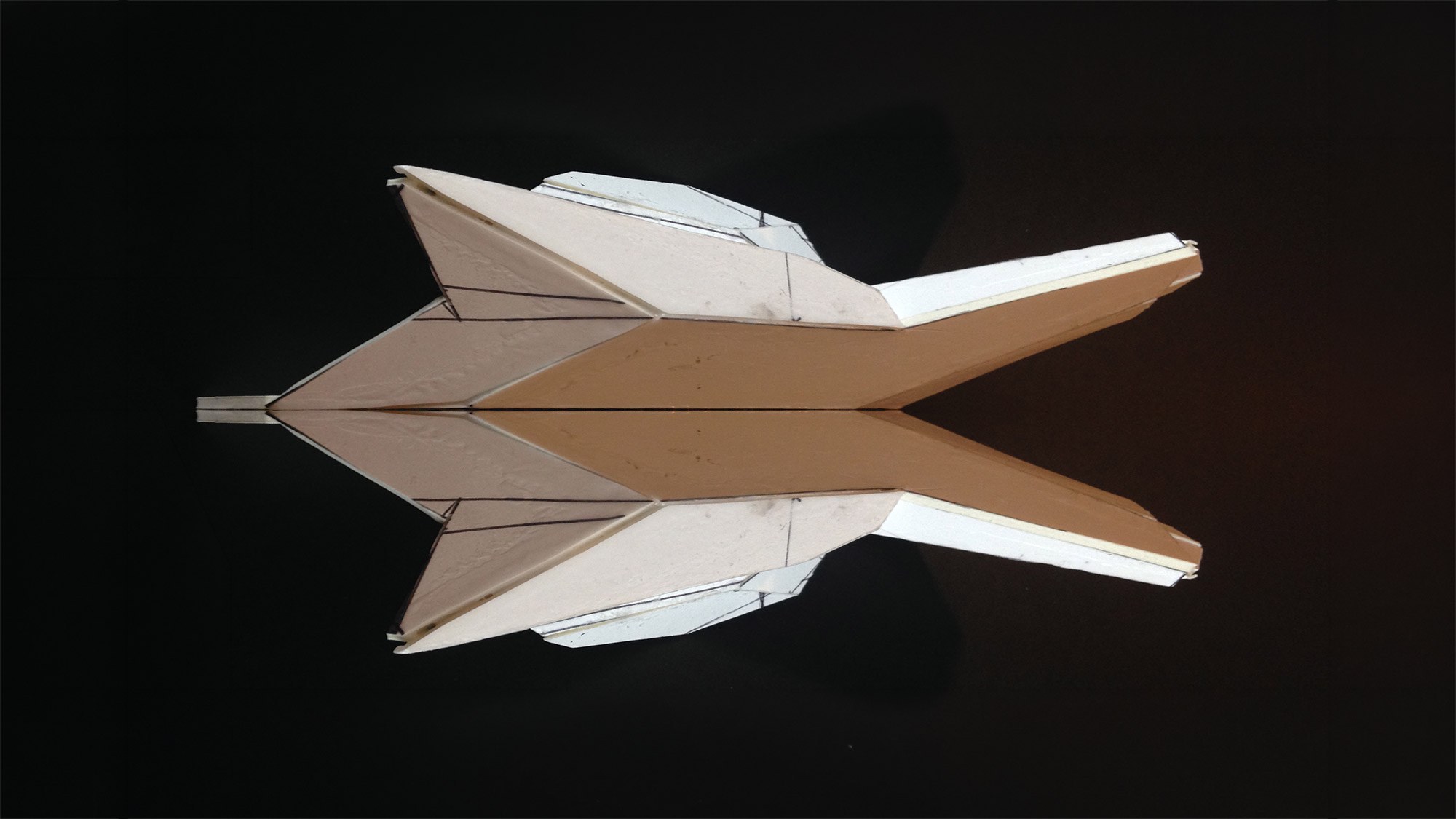
The line was drawn, redrawn and tightened across several passes before it left paper at all, then built by hand as a small painted study model — just one half, mirrored to check the full form before committing to it — and only then produced two ways in parallel rather than one being a study for the other: laser-cut into board, the cut line reading as a shadow against a sheet of green acrylic underneath, and printed directly onto an actual offset printing plate — the metal sheet a print run is normally made from, used here as the finished surface instead of a means to one.
This predates generative tools entirely, and the part that mattered — deciding which of many sketched variations of the line actually deserved to be cut and printed — still isn't something to hand off. What AI would speed up today is the exploration before that decision: more mirrored variations, faster, so the final call is made from a wider set rather than the first few that felt right.
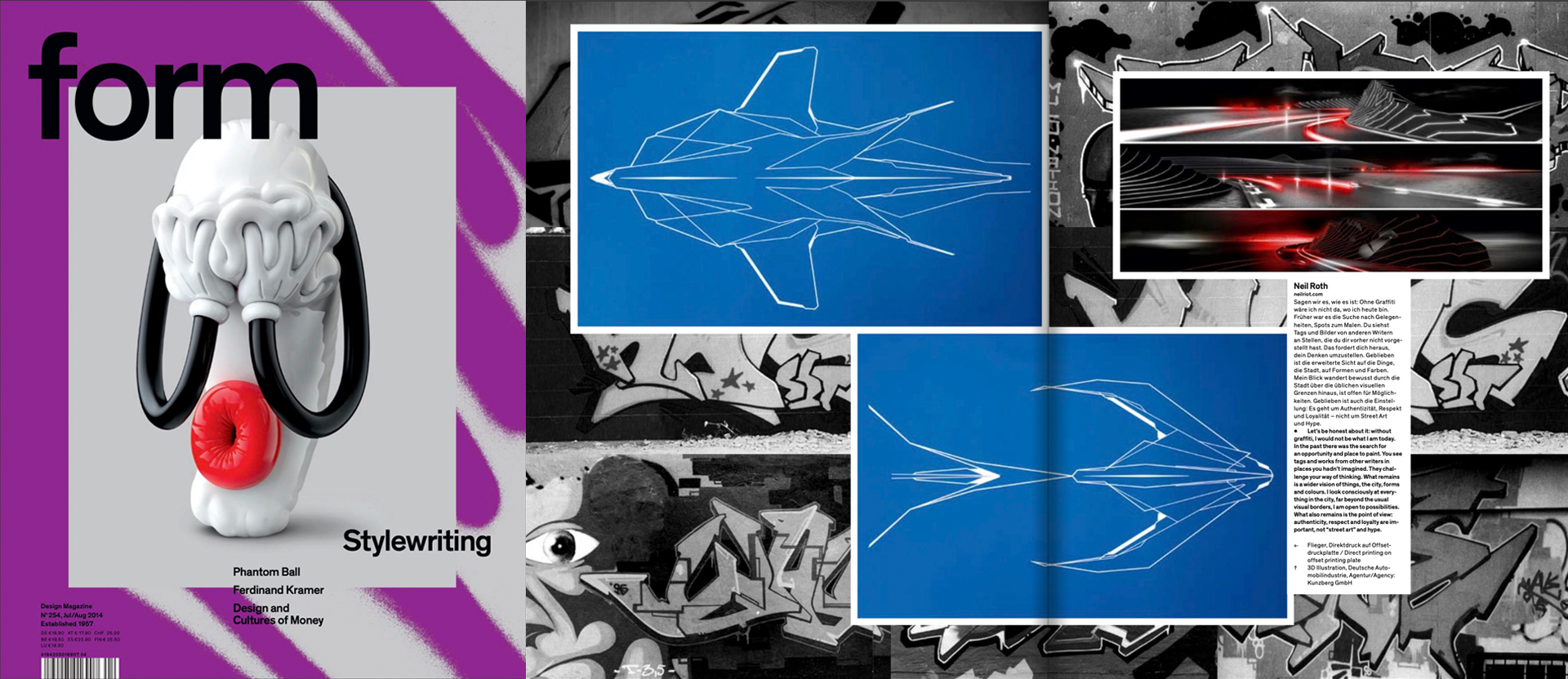
Registration and material choice carried the piece: matching the cut precisely enough across every pass that the green backing reads as a clean shadow, and getting a real print plate to hold a crisp line as a final surface rather than a production tool. It was picked up by form — Design Magazine for their Stylewriting issue, alongside a short interview about the graffiti years behind it.
What the approach changed.
From sketch to object
One line taken from loose pencil study through several tightened passes to two finished physical outputs.
Two materials, one line
Laser-cut relief and offset-plate print treated as equally valid results, not test versus final.
Published
Featured in form — Design Magazine, No. 254 (“Stylewriting”), with an interview.